
Art history’s most famous artists, their careers, and how their contributions shaped modern creativity. Learn from their impact today with learnistiq.com.
Art history explains how human creativity developed across different time periods. Famous artists are studied not only because of their paintings but because of their influence on culture, education, design, and visual communication. Their work shows how artistic ideas evolve and how innovation shapes creative industries. Many of the techniques used in modern digital design, animation, and illustration come from historical artists. Their careers also provide examples of skill development, experimentation, and creative problem solving. Understanding art history famous artists and their impact helps students, designers, and researchers understand how creativity develops over time and how past knowledge connects with modern visual communication.
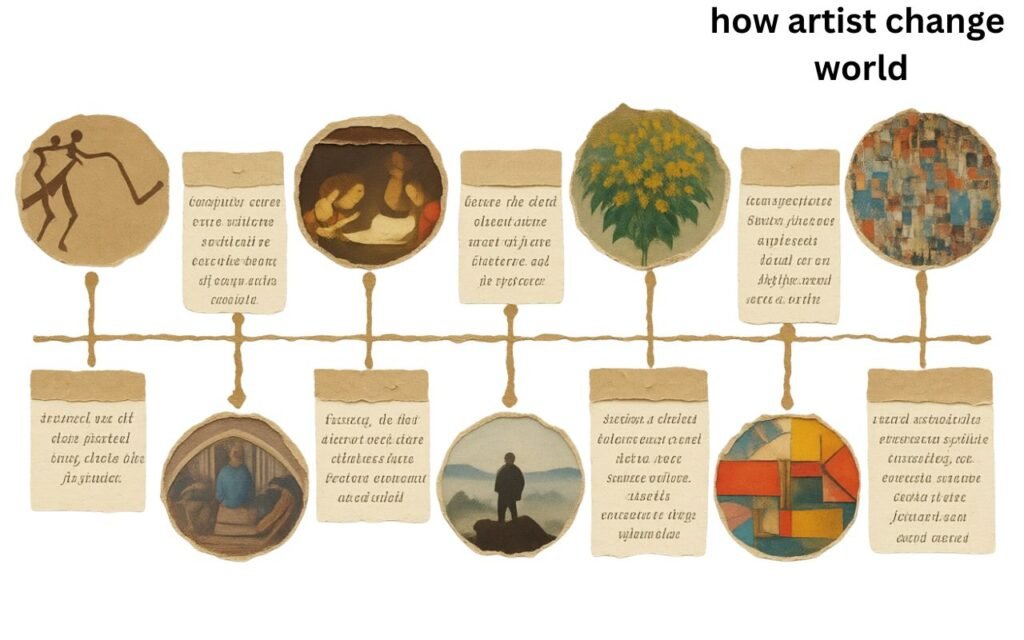
Example Hook: At Learnistiq.com, we study art history not just to admire masterpieces, but to understand how creativity shapes ,culture, education, and innovation.subject material
Artists and thier career-
| Artist | Era | Famous For | Key Impact |
|---|---|---|---|
| Leonardo da Vinci | Renaissance | Mona Lisa, Last Supper | Scientific realism, anatomy study |
| Michelangelo | Renaissance | David, Sistine Chapel | Mastery of human anatomy, monumental scale |
| Vincent van Gogh | Post-Impressionism | Starry Night, Sunflowers | Emotional expression, brushwork innovation |
| Pablo Picasso | Modern Art | Cubism, Guernica | Abstract thinking, multiple perspectives |
| Claude Monet | Impressionism | Water Lilies | Study of light and observation, impressionism |
Purpose: Quickly signals entities and topic to Google and students.Artist Profiles-
we will provide you the accurate data from most popular artists which now working on the history , here is the name of some artist and thier work.
Leonardo da Vinci (1452–1519)-
Leonardo da Vinci is one of the most influential figures of the Renaissance period. His work combined scientific research with artistic skill, which helped change how artists studied the human body and nature.
Key information:
- Period: Renaissance
- Famous works: Mona Lisa, The Last Supper, Vitruvian Man
- Skills: Painting, engineering, anatomy study, architecture
- Known for: Realism and scientific observation
Leonardo introduced detailed anatomical drawing based on real human study. His sketchbooks included research on muscles, bones, and body movement. These studies helped future artists create more realistic human figures.
Impact:
- Improved realism in painting
- Introduced scientific observation in art
- Influenced medical illustration
- Established art as both science and creativity
Michelangelo
Michelangelo was a Renaissance sculptor and painter known for his technical mastery of the human body. His sculptures showed accurate muscle structure and natural movement.
Key information:
- Period: Renaissance
- Famous works: Statue of David, Sistine Chapel Ceiling, The Creation of Adam
- Skills: Sculpture, painting, architecture
- Known for: Human anatomy and large-scale art
Michelangelo believed sculpture was the highest form of art. His statue of David showed detailed understanding of human proportions and balance.
Impact:
- Improved figure drawing techniques
- Influenced religious art
- Set standards for sculpture realism
- Inspired classical anatomy training
Many modern art schools still use Michelangelo’s work to teach figure drawing and proportion.
Vincent van Gogh
Vincent van Gogh became famous after his death, but today he is considered one of the most important artists in modern art development. His work focused on emotional expression rather than realism.
Key information:
- Period: Post-Impressionism
- Famous works: Starry Night, Sunflowers, The Bedroom
- Style: Bold colors and expressive brush strokes
- Known for: Emotional storytelling through painting
Van Gogh used color to show mood instead of just reality. His thick brush strokes created texture, which influenced modern painting techniques.
Impact:
- Influenced Expressionism
- Popularized emotional painting styles
- Inspired modern abstract artists
- Changed how color is used in visual storytelling
Claude Monet
Claude Monet was the founder of Impressionism. His work focused on capturing light and natural scenes rather than perfect details.
Key information:
- Period: Impressionism
- Famous works: Water Lilies, Impression Sunrise
- Style: Light observation and natural landscapes
- Known for: Painting outdoor environments
Monet often painted the same scene multiple times to show how light changes during the day.
Impact:
- Developed Impressionism
- Influenced landscape painting
- Inspired photography composition
- Encouraged observation-based drawing
His work is still studied in visual composition and environmental design.
How These Artists Changed Art History
These artists transformed art through innovation and experimentation. Their influence can be seen in several major changes.
Realism Development
Leonardo da Vinci improved realism by studying anatomy and perspective. His techniques allowed artists to represent human figures more accurately.
Emotional Expression
Van Gogh demonstrated that art could communicate emotion through color and texture. This influenced modern emotional and abstract painting.
Abstract Representation
Picasso showed that art does not always need to represent reality directly. His Cubist style influenced modern visual communication and design thinking.
Observation Techniques
Monet introduced the idea that observation of light and environment is essential in painting. His work influenced photography and environmental art.
Technical Excellence
Michelangelo showed the importance of technical mastery. His work became a reference point for classical art training. These changes created the foundation for modern visual arts.
Why Their Impact Matters Today
The influence of these artists extends beyond traditional painting. Their techniques are still applied in modern creative industries.
Graphic Design
Modern designers use composition principles developed by Renaissance artists.
Animation
Character design uses anatomy knowledge first developed by classical artists.
Game Art
Environmental design uses lighting concepts similar to Impressionist painting.
Digital Illustration
Brush techniques inspired by Van Gogh are used in digital painting software.
Advertising
Picasso’s abstraction influenced visual storytelling and brand communication. Because of this, art history remains relevant even in technology-based careers.
From learnistiq.com personal touch-
Art history famous artists and their impact remain important because they shaped the foundation of modern creativity. Their contributions influenced painting, design, animation, and digital media. Their careers also show the importance of technical skill, experimentation, and innovation. Understanding their work helps students understand how creativity develops and how artistic ideas continue to influence modern industries. Learnistiq.com provides structured educational content to help learners explore important subjects like art history, technology, and career development through clear and research-based information.
How did Picasso influence modern art?
Picasso introduced Cubism, which changed how artists represented objects. His ideas influenced abstract art, graphic design, and modern illustration.
Why is Michelangelo important in art education?
Michelangelo’s work is used to teach anatomy, sculpture techniques, and figure drawing. His sculptures are considered technical masterpieces.