Discover art history, famous artists, and how platforms like Learnistiq.com help students understand visual culture. Complete beginner to advanced guide
subject material
- 0.1 Technical Masters
- 0.2 Style Innovators
- 0.3 Idea-Driven Artists
- 0.4 Modern Digital Creators
- 0.5 Why Art History Still Matters in the Digital Age-
- 0.6 Creative Careers
- 0.7 Analytical Careers
- 0.8 Academic Careers
- 0.9 Technology Careers
- 1 The Research Methods Art Historians Actually Use
- 1.1 Historical Investigation
- 1.2 Material Study
- 1.3 Artist Background Research
- 1.4 Symbol Interpretation
- 1.5 Comparative Analysis
- 1.6 Cultural Context Study
- 1.7 Steps
The Day Humans Started Recording Their Ideas Without Words
Long before textbooks exist , humans were already telling stories but they have not complete resources.
- Not with language.
- But with images.
- Thousands of years ago, early humans painted animals, hunting scenes, and symbols on cave walls. These drawings were not decoration. They were communication. They recorded survival, beliefs, and imagination.
- This is where art history begins—not in museums, but in human curiosity.
- Art history is best understood as the study of how humans express ideas visually across time. It connects creativity with history, psychology, politics, and technology.
- Modern learning platforms like Khan Academy and educational websites such as Learnistiq.com are helping a new generation understand that art is not just about beauty—it is about meaning.
- And understanding meaning is a powerful skill in today’s information world.
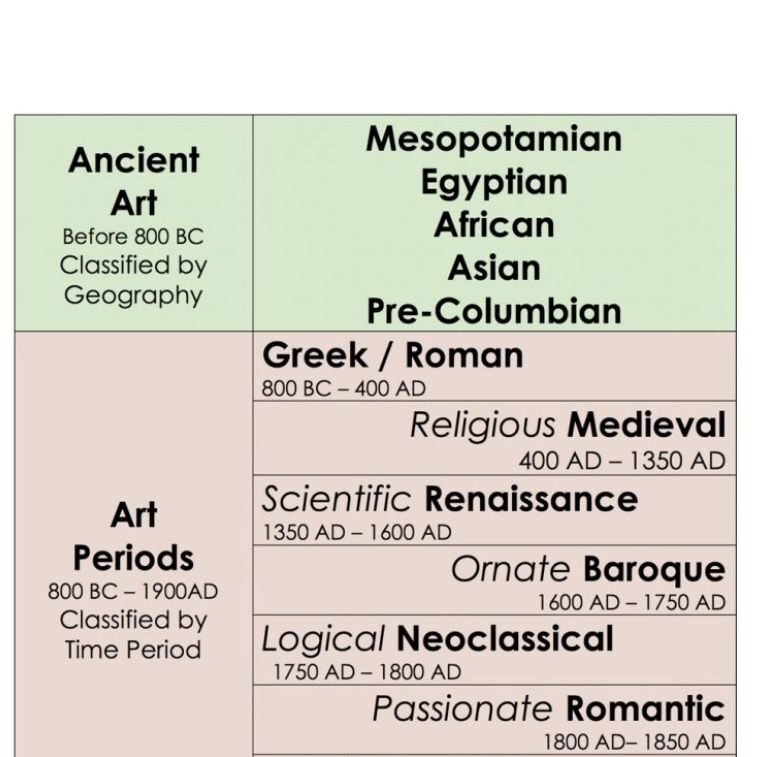
What Art History Really Teaches?
What Art History Really Teaches (That Most Students Don’t Realize). Many beginners think art history is about remembering artists and dates. Professional educators know it teaches something far more valuable:
Art history trains the brain to ask intelligent questions:How to think critically.
- What problem was the artist solving?
- What cultural event influenced this work?
- Why does this artwork look different from earlier styles?
- What message was hidden inside this piece?
- How would people from that time understand this work?
This questioning approach develops analytical intelligence.
That is why American education systems include art history inside liberal arts education. It strengthens reasoning ability just like philosophy and literature.
Students who study art history often develop strong skills in:
- Interpretation
- Research
- Writing
- Cultural analysis
- Communication
- Observation
These are skills employers value in knowledge-based industries.The Artists Who Quietly Shaped Civilization:
Yet they often influence how entire generations think.
For example:
- Renaissance artists helped society rediscover science and human potential.
- Impressionist painters changed how we understand light and perception.
- Modern artists questioned reality itself.
- Digital artists are now shaping how we see technology.
- Some of the most influential artist categories include:
Technical Masters
Artists who perfected realism and technique:
- Leonardo da Vinci
- Michelangelo
- Johannes Vermeer
Style Innovators
Artists who changed visual language:
- Vincent van Gogh
- Claude Monet
- Edgar Degas
Idea-Driven Artists
Artists who focused on meaning:
- Pablo Picasso
- Salvador Dalí
- Frida Kahlo
Modern Digital Creators
Artists shaping the future:
- Digital illustrators
- Concept designers
- Game artists
- AI visual creators
How Modern Platforms Are Changing Art Education
For decades, art education depended on expensive universities and museum access. Today, technology has changed everything. Students can now learn art history through:
- Museum digital archives
- Educational platforms
- Academic blogs
- YouTube lectures
- Online courses
Platforms like Khan Academy simplified art education by organizing topics into structured lessons that move from beginner to advanced levels.
Similarly, educational blogs like Learnistiq.com can play an important role by translating complex academic ideas into simple, readable knowledge for students and daily learners.
Why Art History Still Matters in the Digital Age-
Some students ask: Why study art history when technology dominates careers? Because we now live in the most visual era in human history.
Consider this: -Every day people interpret:
- Instagram visuals
- YouTube thumbnails
- Advertisements
- Website design
- News graphics
- Brand logos
Understanding images is now as important as understanding text. Art history develops visual intelligence, which helps in careers like:
Creative Careers
- Graphic design
- Animation
- Film production
- Game design
Analytical Careers
- Marketing analysis
- UX research
- Brand strategy
- Media journalism
Academic Careers
- Teaching
- Museum research
- Cultural studies
Technology Careers
- UI design
- Product design
- AI training datasets
This shows art history is not outdated.The Research Methods Art Historians Actually Use
Professional art historians do not just “look at paintings.” They investigate them. Their research often includes:
Historical Investigation
- Understanding time period context.
Material Study
- Analyzing pigments and tools.
Artist Background Research
- Studying biography influence.
Symbol Interpretation
- Decoding hidden meaning.
Comparative Analysis
- Comparing styles across artists.
Cultural Context Study
Connecting art to social change. Modern research sometimes even includes digital tools that analyze style patterns across thousands of artworks. Art history today is part humanities and part data analysis. This combination makes it surprisingly modern.
Professor Strategy and learnistiq.com-
Students who succeed usually follow structured learning methods. Here is the method often recommended by experienced educators:
Steps
1: Learn Major Time Periods
2: Study Major Movements
3:Movements explain change.
Examples:
- Renaissance
- Baroque
- Romanticism
- Impressionism
- Modernism
4: Focus on Key Artists
5: Practice Visual Analysis
6: Write Observations
Writing improves thinking. Educational websites like Learnistiq.com can help students by presenting this process in simplified structured guides.Beginner Mistakes That Slow Down Learning-
Many students fail because they use ineffective methods. Avoid these mistakes:
- Trying to Memorize Everything
- Ignoring Historical Context
- Studying Random Artists
- Not Comparing Styles
- Passive Reading
Future Trends in Art History Education:
1: AI Assisted Analysis
Technology helping identify patterns.
2: Virtual Reality Museums
Immersive learning experiences.
3: Interactive Learning Platforms
Student participation tools.
4: Digital Art Expansion
NFT and virtual artwork history.
5: Microlearning Education
Short structured lessons.
Why Art History Will Never Become Obsolete:
Technology changes tools.
But it does not change curiosity.
From cave walls to digital screens, humans continue to record their ideas visually. Art history survives because it studies something permanent: Human expression. Students who understand art history understand how ideas evolve, how cultures interact, and how creativity shapes civilization. And in a world filled with information, the ability to interpret meaning may become one of the most valuable skills of all. That is why educational platforms and knowledge websites like Learnistiq.com have an opportunity to become powerful learning hubs by making complex subjects understandable, structured, and useful. Because the future belongs not just to those who collect information. But to those who understand it.
Is art history only Western?
No. Modern art history includes global perspectives and diverse artistic traditions.
Can Art History Is the Story for Us?
Art history is not about old paintings. It is about humanity. It shows how people thought, feared, hoped, believed, and imagined across time. From cave paintings to digital installations, art shows what humans care about